[Bilingual / 中英雙語] Ready-to-Eat?你準備好迎接「預製」生活未?| 從 Factor Meals 預製餐盒到消失的鑊氣,關於效率與溫度的生活反思。
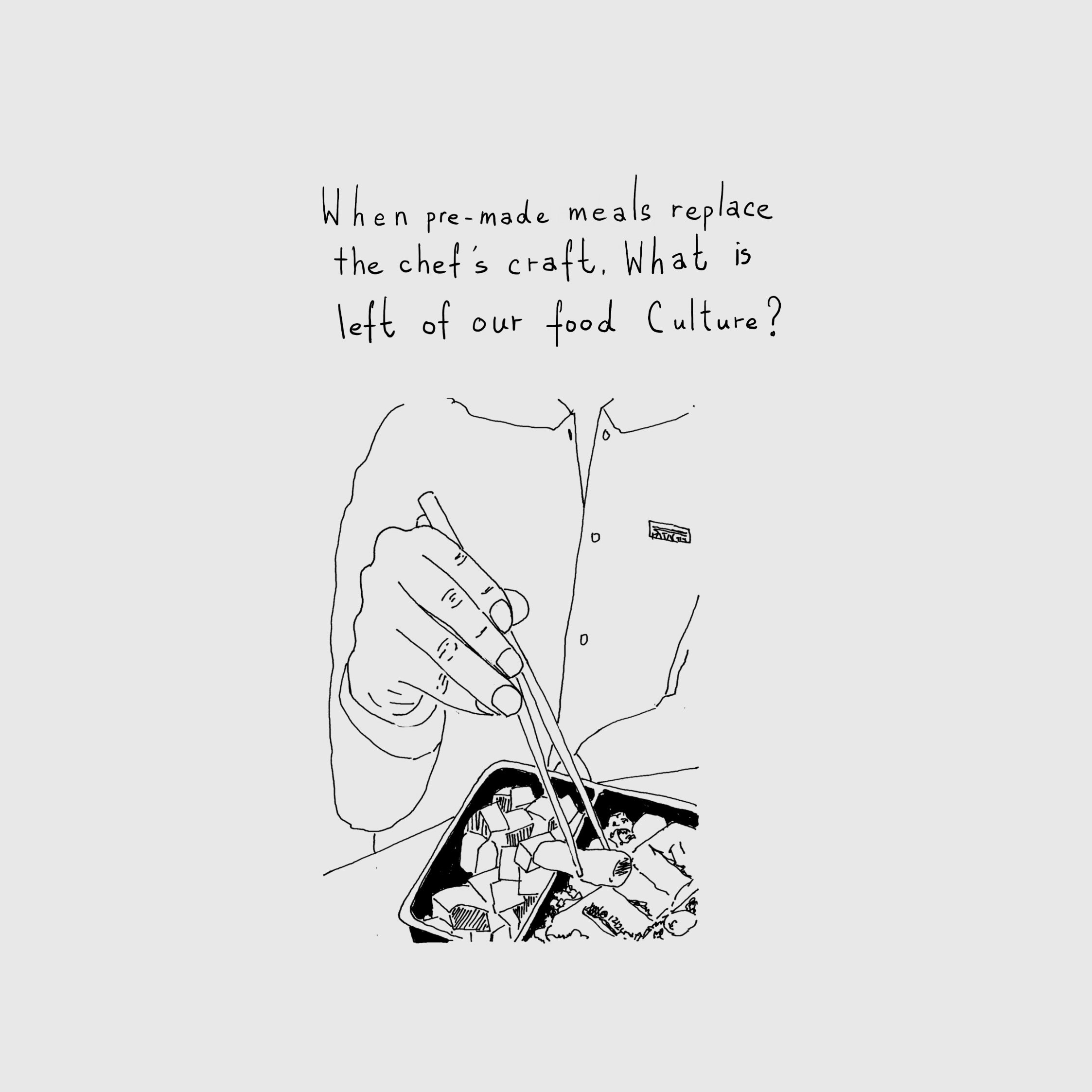
[Bilingual / 中英雙語] Ready-to-Eat?你準備好迎接「預製」生活未?| 從 Factor 預製餐盒到消失的鑊氣,關於效率與溫度的生活反思。
「Read to Eat」 初體驗
最近,社交媒體上頻繁出現的 Factor Meals 廣告激起了我的好奇心。我想嘗試一下:如果一星期七天都完全不用為晚餐操心,會為生活帶來怎樣的新鮮感?加上在促銷優惠的吸引下,我決定親自試一試。
我在網頁訂購了 14 份餐點,折實每餐約 US$6.8。整個訂購過程簡單流暢:只需在清單中剔除會導致敏感的食物,避開不喜愛的食材,並選擇將營養重心放在高蛋白質選項。選好到貨日子並確認付款,全程不到 10 分鐘。相比起親自走一趟超市選購一星期的食材,確實節省了不少時間。
網頁介紹主打卡路里控制,並提供減磅的科學數據以及食材介紹。整個選購體驗,就好像在為個人設計一套健康飲食的新習慣。
效率與風味的取捨
當快遞抵達家門,整齊劃一的 14 個餐盒呈現在眼前,黑底白字的包裝設計型格且富現代感。按照指示,只需微波爐加熱幾分鐘,一頓精美的西式晚餐毫不費力就準備好。
回看人類保存食物的發展歷史,從古代為了延長保質期而衍生的預備菜,如日本的漬物、韓國的泡菜;到後來出現的罐頭與冷凍食品,本質上都是為了對抗時間。然而,翻熱過程往往會令食物原有的新鮮度與質感流失。
這類「Ready-to-Eat」預製餐在美國彷彿標誌著另一種生活的進步。透過 Instagram 廣告可以發現市面上已有許多選擇:有些標榜 Organic(有機)食材,有些強調由五星級酒店名廚主理。甚至有公司提供一星期份量的新鮮食材配合食譜寄到府上,連「構思菜色」的煩惱也幫你省去。
這也讓我想起香港這幾年興起的「兩餸飯」(This This Rice) 文化。只需大約 US$3 至 US$5,就能享受到自選兩款菜式配白飯。本質上,這都是現代人在繁忙現實中,對時間與金錢成本的一種新選擇。
便利的代價
今次訂購 Factor,除了節省時間,對於平時甚少烹調西餐的我來說,確實帶來了味覺上的新鮮感。然而,當半價優惠結束,每餐價格回到 US$14 以上時,這種份量精簡的餐盒,感覺就變得不值。
看著印有 Logo 的包裝卡紙與塑膠盒,這種「包裝浪費」會帶來一點點心理負擔。雖然官方標榜包裝可回收,但要徹底洗淨每個沾滿醬汁的膠盒,本身就是一種隱形的勞動成本。這種便利,終究蒙上了一層環保的矛盾。
而且,連續七天加熱食用的過程,總讓人有種「每天都在吃隔夜飯」的感覺。對於習慣吃生鮮食材、口味清淡的人來說,那種醬汁濃郁的醃製感,長期下來也可能為身體帶來負面影響。
這是否就是未來?
在美國生活的朋友都知道,到餐廳吃一頓午餐的人均消費約需 US$20 至 US$30(未計最少 20% 的小費與稅項),因此大部分人都不會經常外出吃飯。我住在近郊,若想吃一碗日式拉麵,來回往往需要一小時車程;即便是在附近的薄餅店外賣自取,連稅帶小費也要約 US$35。
對於曾在超級方便的香港長大的人來說,這座城市從街坊小食到高級餐廳,選擇多不勝數。相比之下,住在美國需要花費高昂的時間與金錢成本,確實減少了不少生活樂趣。隨著通脹壓力與社會結構變遷,新一代的小家庭或許愈來愈少在家下廚。當預製餐盒更加盛行,大家不自覺地接受了同一種口味和規格的食物,日子久了,我們的選擇是否也變少了?
以往走進餐廳,為的是品嚐廚師的手藝與溫度。事實上,某些獨特的氣味,往往連結著獨特的街道與餐廳,成為了大家對城市特有的回憶。那種從過去的大排檔或老店廚房騰騰而起的蒸汽、還傳來大鑊翻炒時散發出聲響和陣陣香味,往往在遠處已經能聞到——那是召喚食客的訊號。這種由嗅覺牽引的情感連結,是冷冰冰的微波爐預製餐永遠無法模擬的溫度。
當我們不再走進餐廳,那份珍貴的人情味是否也會隨之消逝?那些需要耐性磨練的手工菜,是否會因為生活成本上漲和我們「失去耐性」而逐漸失傳?
生活的掌控感
我在傳統家庭成長,記憶中每晚七點準時開飯,一家四口三餸一湯。相比現在兩個人生活只做簡單的碟頭飯或意粉,我真不得不敬佩所有偉大的媽媽,能年中無休地為家人準備愛心晚餐。現在香港的年輕父母大多需要外出工作,小孩的照顧及入廚多由外傭代勞,很難再回到那種由母親親手烹調「家的味道」。
再進一步想像,未來人類的飲食文化,是否會走向由 AI 數據分析、根據個人健康監控而調配出的極致訂製?如果真的有這一天,究竟是文明的進步還是過度依賴?
每星期到超市採購新鮮食材是我們夫妻倆的週末活動。選購食材時能看到原貌並了解來源,既是對健康負責,也讓我找回生活的掌控感。畢竟,那些再怎麼方便好吃的預製餐盒,本質上依然是「隔夜飯」;而我,還是喜歡新鮮食材那種簡單、自然的味道。
****************************
Ready-to-Eat? Are You Ready for a "Pre-packaged" Life? |From Factor Meals to the fading aroma of "Wok Hei": A reflection on efficiency versus soul.
The First Taste of "Ready-to-Eat"
Lately, my social media feed has been flooded with Factor Meals advertisements, sparking a sense of curiosity. I wanted to see for myself: if I didn't have to worry about dinner for seven days straight, what kind of freshness would that bring to my life? Lured by a promotional discount, I decided to take the plunge.
The ordering process was seamless. In less than 10 minutes, I had filtered out allergens, avoided ingredients I dislike, and prioritized high-protein options. Compared to the weekly trudge through supermarket aisles, the time saved was undeniable. The website, filled with calorie-control data and scientific meal plans, made it feel as though I was designing a new, healthier version of myself.
Efficiency vs. Flavor
When the courier arrived, 14 sleek, black-and-white containers sat neatly at my door. Following the instructions, a gourmet Western dinner was ready after just a few minutes in the microwave.
Throughout history, humans have always sought ways to defy time through food preservation—from ancient Japanese pickles and Korean kimchi to modern canned goods. Yet, the reheating process almost always robs food of its original texture and vibrancy.
In the U.S., these "Ready-to-Eat" meals are marketed as a hallmark of modern progress. From organic ingredients to menus curated by five-star chefs, the industry even offers meal kits that eliminate the "burden" of deciding what to cook. It reminds me of the "This This Rice" (Two-dish meal) culture in Hong Kong—a pragmatic choice for city dwellers balancing the high costs of time and money.
The Price of Convenience
While Factor offered a novel taste experience for someone who rarely cooks Western cuisine, the charm faded once the discount ended. When the price returns to over US$14 per meal, the value of these compact portions feels questionable.
Moreover, the sight of branded packaging brings a lingering sense of guilt. While the packaging is technically recyclable, the effort to thoroughly clean every sauce-stained tray is a hidden labor cost in itself. This convenience comes with an undeniable environmental irony.
Eating reheated food for seven consecutive days eventually feels like consuming "leftovers" daily. For those accustomed to fresh ingredients, the heavy, marinated sauces can feel burdensome over time.
Is This Our Future?
Anyone living in the U.S. knows that dining out costs roughly US$20–$30 per person, excluding a minimum 20% tip and tax. For those of us who grew up in the hyper-convenient Hong Kong—a culinary paradise where world-class food is always just a few steps away—living in the American suburbs involves high costs in both time and money.
As inflation and social structures shift, fewer young families cook at home. But as pre-packaged meals become the norm, we subconsciously accept a standardized palate. If we all eat the same regulated flavors, are our choices actually shrinking?
In the past, we visited restaurants for the chef’s craft and the human touch. In fact, certain unique scents are tied to specific streets and eateries, forming our collective memories of a city. The steam rising from an old kitchen, the distinct charred aroma of a hot wok (Wok Hei) wafting from a distance—these are signals that call to us. This sensory emotional bond is a warmth that a cold microwave meal can never replicate.
A Sense of Control
I grew up in a traditional household where dinner was served promptly at 7 PM—three dishes and a soup for a family of four. Now, living as a couple, we often settle for simple pasta or sandwiches. I truly admire the mothers who, year-round, prepared home-cooked meals with love. In modern Hong Kong, where most parents work and domestic helpers take over the kitchen, that "taste of home" is becoming increasingly rare.
Will our future be dictated by AI data analysis, with meals perfectly calibrated to our health monitors and delivered by robots? Would that be progress, or a new form of dependency?
My husband and I still cherish our weekend ritual of grocery shopping. Seeing the raw ingredients and knowing their origin is not just about health; it is about reclaiming control over our lives. After all, no matter how convenient a meal kit is, it remains "pre-packaged." I still prefer the simple, natural taste of ingredients in their original form.



留言
發佈留言